A cockroach skittering behind the pet bowl is enough to put any household on edge. If you are searching for cockroach treatment safe for pets, the right question is not simply which treatment gets used. It is how the infestation will be assessed, where treatment is needed, what access your animals have, and what instructions you need to follow afterwards.
Cockroaches are not just an unpleasant sight in a Queensland kitchen. They can contaminate food areas, leave droppings in cupboards and hide in places that are difficult to reach between cleans. Pets can add another layer to the problem because they investigate smells, lick floors, nose into cupboards and find dropped bait or insects before you do.
A proper treatment plan accounts for all of that. Pests are our problem to solve, not yours to live with.
What cockroach treatment safe for pets really means
No responsible pest technician should make a blanket judgement about every animal and every home without inspecting the situation first. A treatment that suits one property may need adjusting in another, particularly where there are curious puppies, indoor cats, birds, reptiles, fish tanks or animals with existing health concerns.
The practical aim is to control cockroaches while managing opportunities for pet exposure. That starts with identifying the cockroach species, locating harbourage areas and treating the source of activity rather than applying product across every visible surface.
For many homes, cockroaches are nesting in warm, protected areas such as behind refrigerators, under dishwashers, inside cupboard voids, around plumbing penetrations, in motor housings or beneath outdoor clutter. Targeting those locations can reduce unnecessary treatment in the areas where pets eat, sleep and play.
It also matters whether the issue is a few cockroaches entering from outdoors or a breeding population living inside. The occasional large cockroach near a drain needs a different response to small German cockroaches multiplying in a kitchen cupboard. Treating both as the same problem is how spray-and-go work falls short.
Start with a source-focused inspection
The first step is finding out what has moved in and why it has stayed. Cockroaches need food, water, warmth and cover. In Brisbane, the Sunshine Coast and surrounding areas, humid weather and busy kitchens can make all four easy to find.
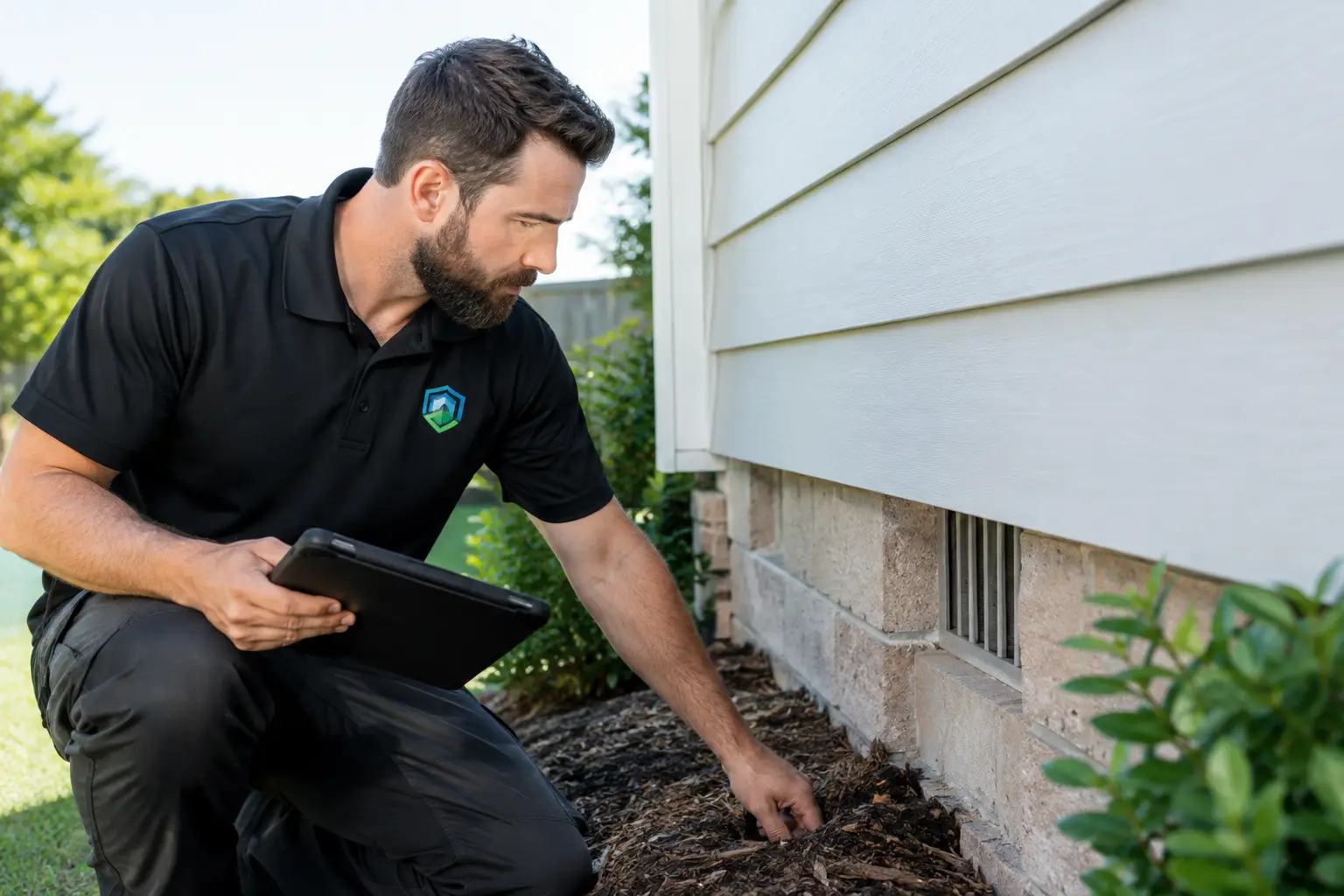
A thorough inspection looks beyond the cockroach you saw. It checks likely hiding spaces, signs of droppings and egg cases, moisture around sinks and appliances, gaps around pipes, food storage, rubbish handling and outdoor entry points. In units, townhouses and commercial premises, the technician may also need to consider adjoining properties, shared service ducts and bin areas.
This diagnosis changes the treatment plan. If a leaking pipe is providing water, treatment alone may not hold the line. If cockroaches are entering through a damaged door seal or gaps around services, exclusion work is part of the fix. If the infestation is centred in appliance cavities, access and follow-up matter more than a broad surface treatment.
For pet owners, inspection is also the time to point out where animals feed, where they sleep, which rooms they can access and any pets likely to chew, lick or disturb treatment areas. Do not assume a technician can tell that a cupboard is where the dog food lives or that a cat has a favourite route behind the laundry.
The treatment method should fit the property
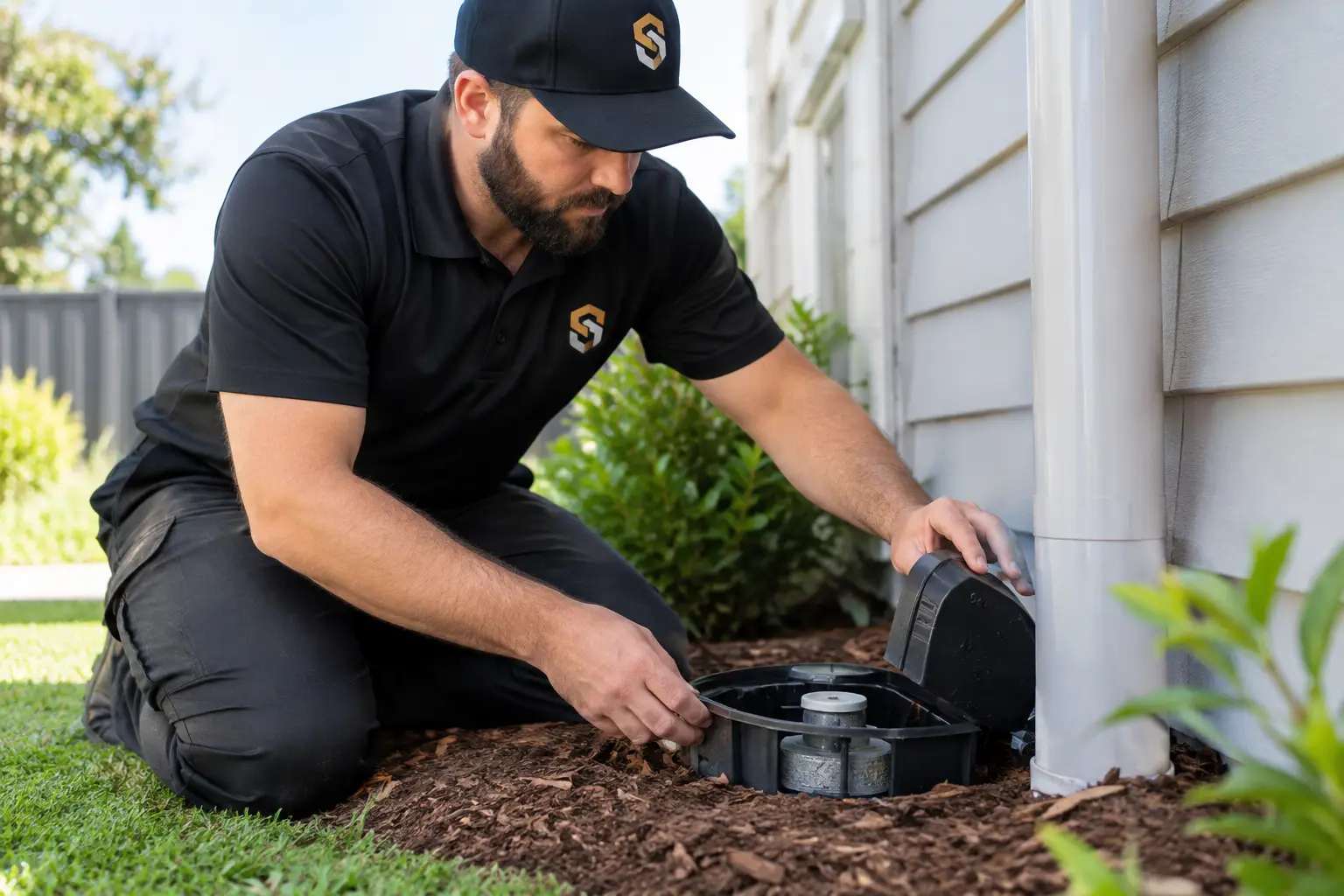
Cockroach management may involve targeted placements in inaccessible harbourage areas, crack-and-crevice work, monitoring devices, exclusion advice and sanitation measures. The best combination depends on the species, life stage, severity of activity and the layout of the property.
This targeted approach is particularly useful in homes with pets because it focuses effort where cockroaches shelter and travel. It is not about making a house look treated. It is about disrupting the infestation where it is actually operating.
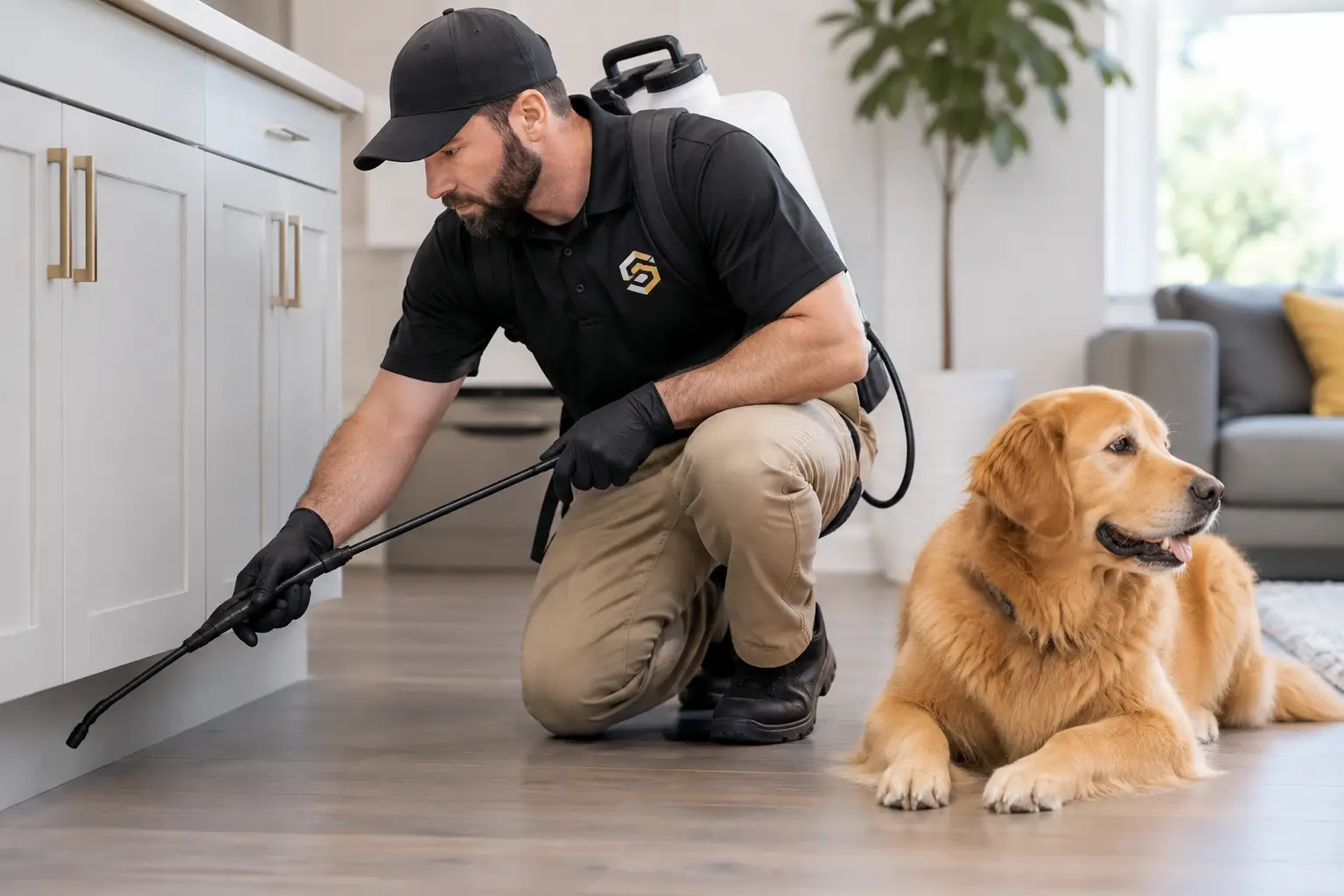
A treatment plan should also explain where pets need to be during service, which rooms or areas need to remain off limits for a stated period, and when normal access can resume. Follow those instructions exactly, even if your pet appears uninterested in the treated area. Dogs and cats can change their habits quickly when they smell something new or spot an insect.
If you have birds, reptiles, fish or other sensitive animals, raise this before the appointment is scheduled. Their housing, ventilation and relocation needs can be different from those of cats and dogs. A clear conversation before treatment prevents rushed decisions on the day.
Prepare the house without turning it upside down
You do not need to empty every room in the house unless you are specifically instructed to. Good preparation is about making key treatment areas accessible and removing opportunities for pets to interfere with the work.
Before a cockroach service, it is sensible to:
- put pet food, water bowls, toys and bedding away from the treatment areas;
- store food, dishes and utensils as directed, particularly in kitchen cupboards and pantries;
- move pets to an agreed area or arrange for them to be elsewhere during treatment;
- clear clutter from under sinks, around appliances and beside rubbish bins where possible; and
- tell the technician about aquariums, cages, indoor animal enclosures and any pet health concerns.
Afterwards, resist the urge to deep-clean every treated crack, cupboard edge or harbourage zone straight away. Your post-service instructions will identify what can be cleaned normally and which areas should be left undisturbed for a period. Cleaning food-preparation surfaces as instructed is sensible. Scrubbing every treatment point can reduce the value of the work.
Why cockroach control often needs follow-up
Cockroach activity can appear to increase shortly after a treatment because hidden insects are being pushed out of harbourage areas. That does not automatically mean the plan has failed. It can be a sign that activity is being exposed.
Egg cases, inaccessible hiding spots and neighbouring sources can also affect how quickly the situation settles. German cockroaches in particular can build a population fast, which is why early action and follow-up checks are useful. A written report gives you a clear record of where activity was found, what was done, what preparation was required and what should happen next.
For rentals, body corporate properties and businesses, that documentation helps everyone stay on the same page. Property managers can coordinate access, tenants know what steps apply inside the home, and site managers have a practical record for ongoing pest management.
At Syndicate Pest Solutions, the process is straightforward: describe the issue, inspect the property, carry out the treatment plan and follow up where the problem requires it. Clear instructions matter just as much as the treatment itself.
Reduce the chance of another cockroach problem
Treatment is stronger when the property stops providing an easy feed and hiding place. Keep dry goods in sealed containers, clean up pet food spills, empty indoor rubbish regularly and avoid leaving bowls of food down overnight where practical. Repair leaks, wipe up standing water and keep storage areas orderly enough to inspect.
Outside, keep leaf litter, stored boxes and clutter away from walls where possible. Check door seals, flyscreens and gaps around plumbing. These are modest jobs, but they can make a real difference to how easily cockroaches move from outdoors into the home.
If you see daytime cockroach activity, frequent small cockroaches in the kitchen, droppings in cupboards or activity near pet food, treat it as a sign to investigate rather than something to squash and forget. The earlier the source is identified, the more controlled and manageable the response can be.