Something is scratching above the ceiling, dropping debris through a downlight or raiding the pantry after dark. It is not a problem to ignore. Knowing how to get rid of roof rats means dealing with the rats you have now, then removing the food, shelter and entry points that invited them in.
Roof rats are nimble climbers. In South East Queensland, they commonly travel along fences, powerlines, vines and tree branches before entering roof voids through gaps around eaves, vents, pipes and tiles. A trap alone may reduce activity, but it will not solve an open-house problem.
First, confirm you are dealing with roof rats
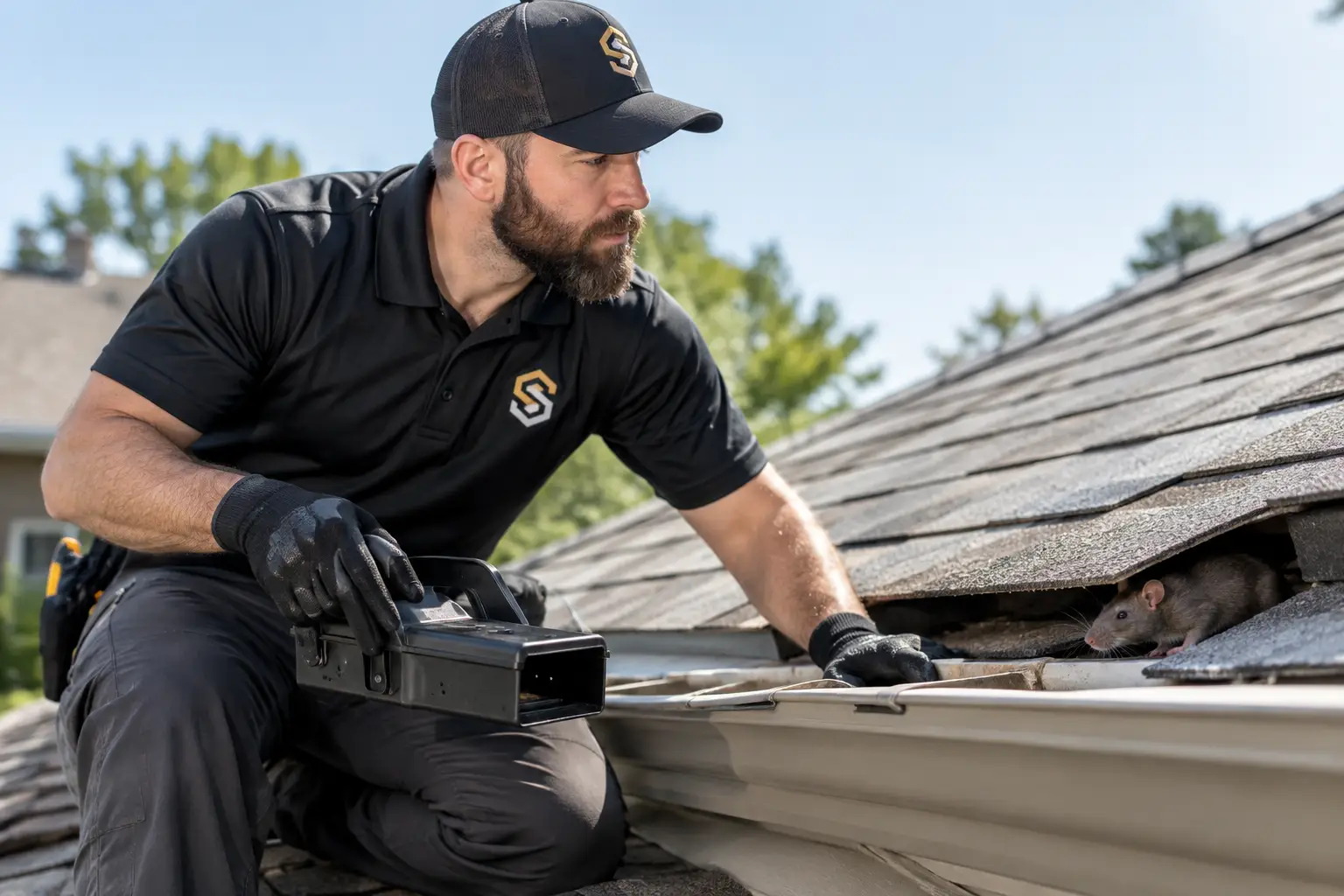
Roof rats are usually dark brown or black, with a slender body, pointed nose, large ears and a tail longer than their body. They prefer high places, which is why roof cavities, wall voids, garages and upper cupboards are common nesting sites.
Typical signs include scratching or scurrying in the ceiling at night, droppings along rafters or near stored items, chewed cables and food packaging, greasy rub marks on repeated travel routes, and a sharp urine smell in enclosed areas. You may also find shredded insulation, paper or fabric used for nesting.
Do not assume every noise in the roof is a rat. Possums, birds and other wildlife can also enter roof spaces, and they require a different response. If you cannot identify the animal from the signs, avoid sealing openings or setting traps until the activity is properly assessed. Trapping the wrong animal creates a bigger problem, not a smaller one.
How to get rid of roof rats: deal with the source
A lasting result comes from four connected jobs: inspect, remove pressure, trap active rats and exclude new ones. Skip one, and rats often find their way back.
1. Inspect where they are travelling and nesting
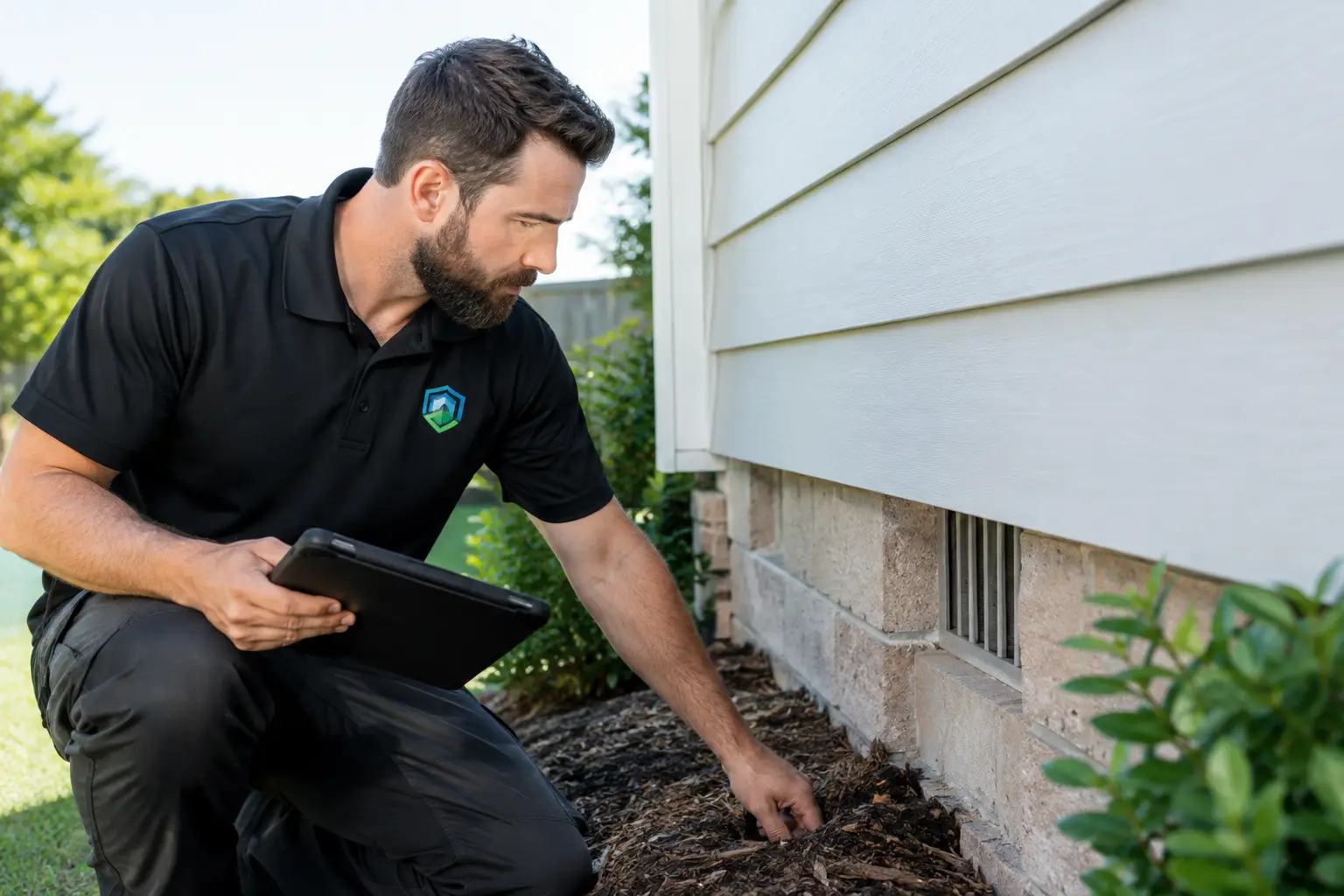
Start outside in daylight. Look at the roofline, eaves, gable vents, whirlybirds, air-conditioning penetrations, solar-panel wiring routes, garage joins and pipes entering the building. A roof rat can use a surprisingly small opening, particularly where building materials have shifted or mesh has deteriorated.
Then look up. Branches touching or overhanging the roof give rats a direct runway. Climbing plants, stacked timber, stored boxes, dense shrubs beside walls and clutter near a shed can provide cover on the way to the house.
Inside, check the roof void only if access is stable and you can move without disturbing electrical wiring or damaging the ceiling. Look for fresh droppings, nesting material and obvious entry light around the eaves. For rental homes, strata properties or commercial premises, document what you find with photos and dates. It helps establish whether the issue is isolated or part of an ongoing building-maintenance problem.
2. Remove food and water pressure
Roof rats will travel a long way for a reliable meal. Pet food left outside overnight, bird seed, fallen fruit, unsecured rubbish bins, compost, barbeque residue and spilled stock feed all keep a local rat population active.
Bring pet bowls in after feeding, sweep up seed beneath bird feeders and collect fallen fruit regularly. Keep dry goods in hard, sealed containers rather than thin bags or cardboard. In commercial kitchens, storerooms and loading areas, make cleaning and bin management part of the closing routine, not something left until a pest issue becomes obvious.
Water matters too. Repair dripping outdoor taps, clear blocked drains and avoid leaving trays, buckets or containers holding water near the building. Food removal will not immediately clear rats already nesting in the roof, but it makes trapping more effective and reduces the reason for new rats to investigate.
3. Trap active roof rats properly
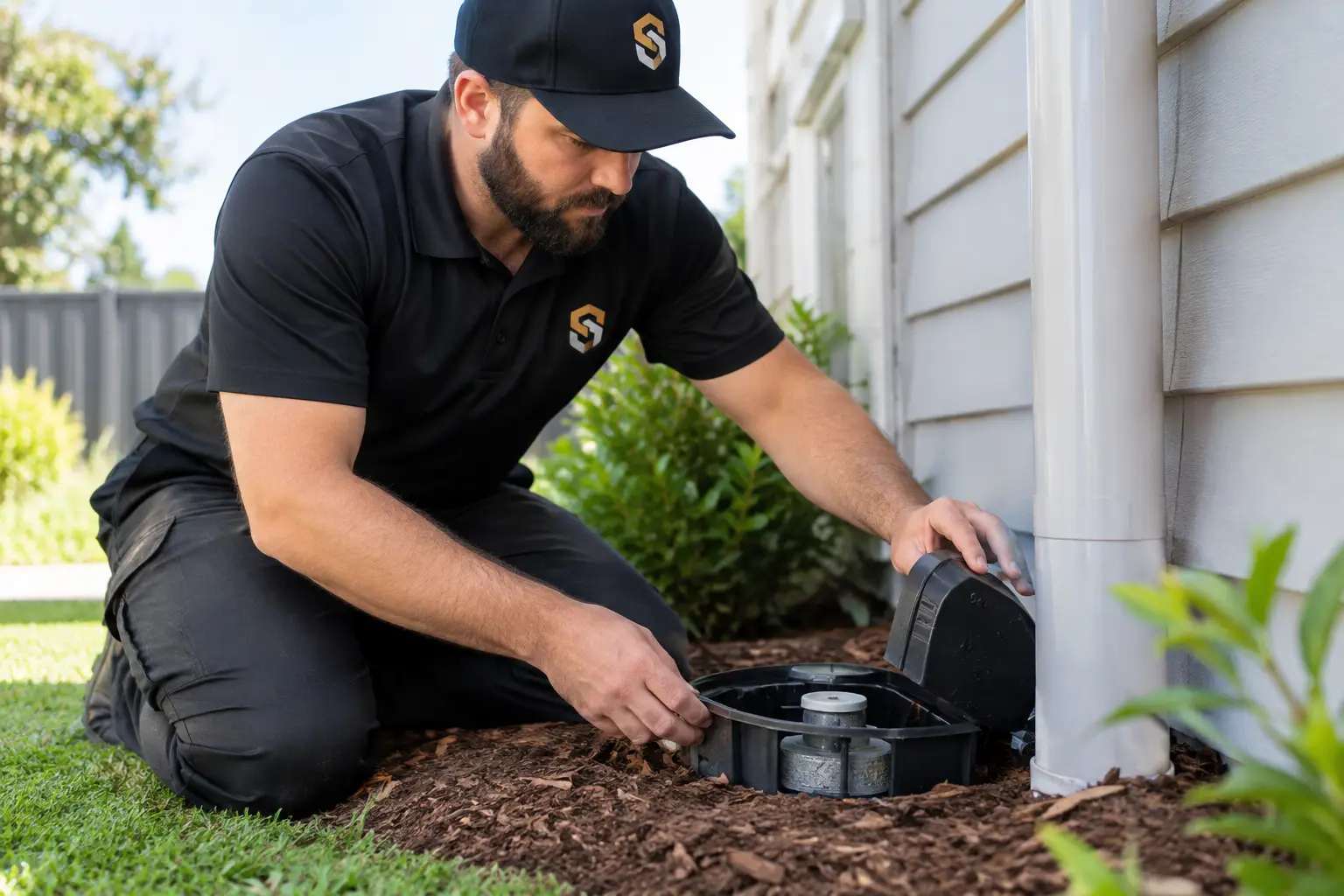
Trapping is often useful for a small, contained roof-rat problem. Use purpose-built rat traps placed where signs are strongest: along walls, near known travel edges or in roof areas where there is clear evidence of activity. Rats tend to avoid open spaces and move alongside structure.
Bait should be small and firmly attached so the rat must engage with the trap. Peanut butter, dried fruit or a small amount of the food they have already been targeting can work. Set more than one trap when activity is widespread, because one trap in a large roof void is rarely enough.
Check traps regularly and reset them as needed. If bait disappears without a catch, placement may be wrong, the trap may not be sensitive enough, or the rat may have another easier food source. Do not place traps where children, pets, wildlife or non-target animals can access them.
Avoid relying on loose poison baits in roof cavities. A rat may die in a wall or inaccessible ceiling space, leaving odour and insect activity behind. It can also be difficult to assess where bait has been taken and whether the actual entry route has been addressed. For persistent infestations, a planned treatment program with monitoring is usually the more organised option.
4. Seal entry points after activity drops
Exclusion is the step that stops your roof becoming the neighbourhood accommodation block. However, timing matters. Closing every opening while rats are still actively moving through the roof can leave animals trapped inside, forcing them to chew new exits through walls or ceilings.
Once trapping and inspection show activity has reduced, seal gaps with durable materials suited to the location. Repair damaged eaves and fascia boards, fit secure mesh to suitable vents, close gaps around service pipes and fix displaced tiles or flashing. Trim branches back from the roofline and remove climbing vegetation that bridges fences to the building.
Do not use expanding foam as the only barrier for a rat-sized opening. Rats can chew it. The repair needs a physical, well-fitted barrier, plus a check that the surrounding structure is sound.
What not to do when rats are in the roof
Do not wait for the noise to get worse. A single roof rat can indicate a route other rats are also using, especially where food and shelter are readily available. Early action usually means less contamination, less chewing damage and fewer nesting materials spread through the roof space.
Do not block holes at random, particularly if you have not identified whether the animal is a rat, possum or bird. And do not focus only on the roof. The fruit tree, overflowing bin, outdoor pet bowl or vine against the wall may be the real reason rats are visiting.
It is also worth avoiding a one-week fix-and-forget approach. Rats are cautious, building conditions change, and fresh activity can reveal an entry point you missed on the first inspection. Recheck the roofline, traps and food sources over the following weeks.
When professional help makes sense
Bring in help when scratching is regular, droppings are appearing in multiple areas, you can smell activity in walls or ceilings, or access to the roof is difficult. The same applies when a tenant, body corporate or business needs clear reporting on what was found, what was done and what building repairs remain.
A proper roof-rat service should identify likely access routes, assess the level of activity, set out a treatment plan and explain the follow-up needed. For managed properties and businesses, the process should also create usable records for maintenance teams, owners and site managers.
Syndicate Pest Solutions takes a source-focused approach: inspect the activity, treat the immediate problem and help identify the exclusion work that prevents the roof space from staying attractive to rats.
A roof rat problem is a building problem too
Roof rats are persistent because they exploit small gaps and repeat what works. The practical response is just as persistent: remove their food, interrupt their travel routes, manage the active rats and close the way in.
If the scratching starts again after your first round of traps, treat it as useful information rather than failure. It is telling you there is still a route, a food source or a nesting area to find. Pests are our problem to solve, not yours to live with.