A few chirps at sunrise can turn into scratching, fluttering and a mess in the ceiling cavity surprisingly quickly. If you are working out how to stop birds nesting roof spaces, the real fix is not simply chasing birds away. It is finding how they got in, dealing with any active nest correctly, then closing the access point so another bird cannot take its place.
Queensland roofs offer warmth, shelter from rain and plenty of quiet corners. Broken tiles, lifted flashing, open eaves, damaged fascia and gaps around pipework can all become an invitation. Something has moved in, and it is not paying rent.
Why birds choose roof spaces
Birds do not need a large opening. A small gap beneath a tile, around a vent or behind loose cladding may be enough for smaller species to enter. Once inside, they can build nests on insulation, ceiling joists, ducting or ledges near the eaves.
The issue is more than noise. Nesting material can block gutters or ventilation points, droppings can build up around entry areas, and birds may damage insulation while moving through the roof cavity. In strata buildings and commercial premises, activity around awnings, loading areas and rooflines can also create a cleaning and presentation problem.
Birds tend to return to places that have worked before. That is why a patch-over repair often fails. If the original gap remains open, or nearby weak points are ignored, the birds simply find another route in.
How to stop birds nesting in your roof
The best approach follows a clear order: confirm the activity, check whether a nest is active, remove the reason birds can enter, then inspect the area again. Blocking a hole without checking the roof space can trap a bird inside. Removing nesting material at the wrong time can create a bigger issue, particularly where eggs or young birds are present.
1. Identify the entry point before doing anything else
Start outside, where you can see the roof safely from ground level. Look for repeated flight paths at dawn or late afternoon. Birds often enter at the same point each time, such as a gap under a tile, an open eave, a broken vent cover or a loose section of flashing.
Also look for droppings beneath a particular eave, feathers caught on a roof edge, nesting material in a gutter, or staining near a wall-roof junction. These signs help narrow down the problem without climbing onto the roof.
Avoid guessing based on noise alone. Scratching in a ceiling may be birds, but it can also be rodents or possums. The treatment needs to match what is actually using the space.
2. Check whether the nest is active
An active nest changes the timing of the job. If birds are regularly entering and leaving, or there are eggs and chicks present, do not pull the nest apart or seal the opening straight away. Some birds are protected under wildlife rules, and disturbing an active nest can be inappropriate or unlawful depending on the species and circumstances.
Watch from a distance and note what you see. If a young bird or adult bird appears trapped indoors or within the roof cavity, do not seal the opening. Seek advice from an appropriate wildlife rescue provider or bird-control professional before work begins.
Where a nest is old and inactive, the roof cavity can be cleaned and the entry point addressed. This is also the time to check for damp nesting material, fouled insulation or damage around vents and eaves.
3. Exclude birds with a proper physical repair
Physical exclusion is what stops repeat access. The right repair depends on the building and the entry point. A detached home with tiled roofing needs a different solution from a metal-roofed warehouse, a townhouse complex or a unit balcony.
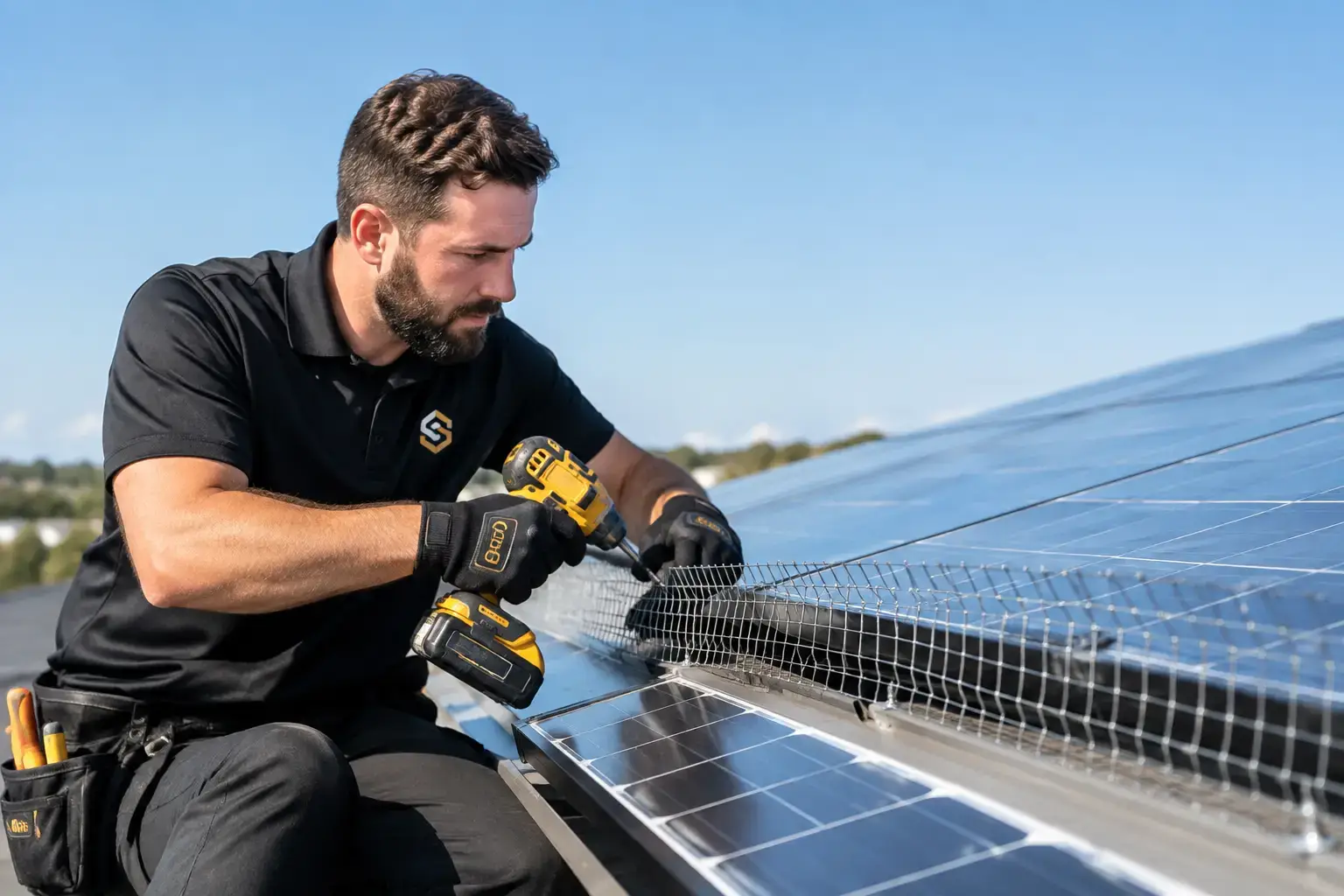
Common exclusion work includes repairing broken tiles and flashing, closing gaps in eaves, fitting suitable mesh to vents, securing loose fascia sections and protecting accessible ledges or cavities. The material needs to be fixed firmly, sized for the bird involved and installed without restricting the building's intended ventilation or drainage.
Be wary of temporary foam, tape or loosely wedged material. These shortcuts can fail in wind and rain, and birds can pull at exposed edges. They may also hide a roof defect that needs an actual repair.
4. Remove nesting debris once access is resolved
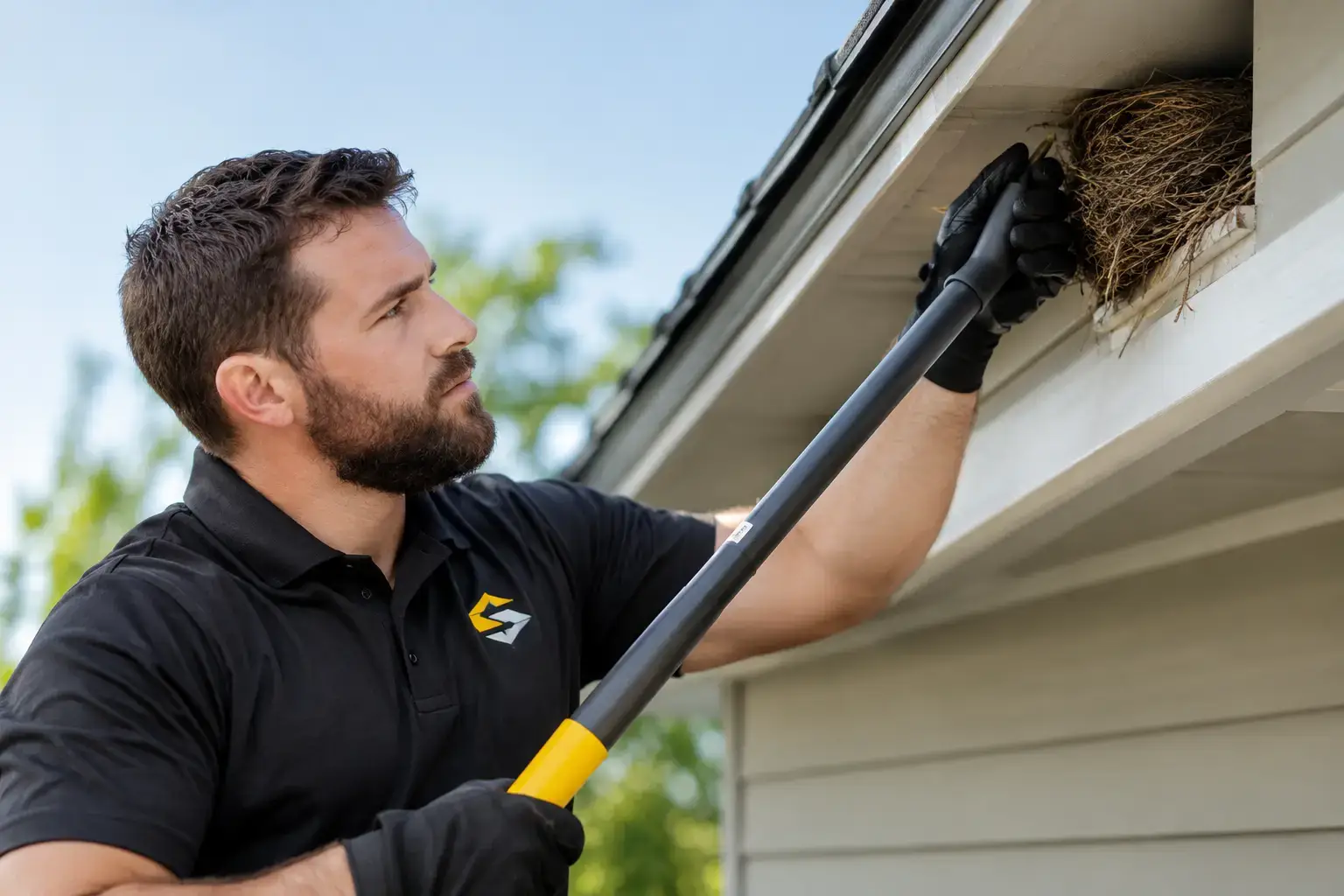
Once you have confirmed there are no active birds in the area and the access point is being dealt with, nesting debris should be removed from gutters, eaves and accessible roof cavities. Leaving it behind can hold moisture, attract insects and provide an easy base for a new nest.
For a small, accessible amount of dry material, use sensible protective gear and contain the waste before putting it in the rubbish. If the cavity has heavy contamination, difficult access or damaged insulation, it is better handled as part of a planned inspection and clean-up rather than a quick DIY job.
5. Make the roof less inviting
Exclusion works best when the surrounding roofline is maintained. Keep gutters clear enough to drain properly, repair cracked tiles and loose flashing, and trim branches that give birds an easy route onto the roof. Branches do not need to touch the building for birds to use them as a nearby launching point.
Check that roof vents, solar-panel edges and eave gaps have not created fresh sheltered pockets. Solar panels in particular can give birds a protected area beneath them, so bird-proofing may need to address the panels as well as the roof cavity.
What not to do when birds are nesting
Do not climb onto a steep or wet roof to investigate an entry point. Aside from the fall risk, walking in the wrong place can crack tiles, loosen sheets or create more openings than you started with.
Do not use poisons, glue products or improvised traps. These do not solve the access issue and can create animal welfare, clean-up and compliance problems. Likewise, loud noise, lights or visual scare devices may move birds briefly, but they rarely stop a determined bird from returning to a sheltered nesting spot.
Do not block every visible opening without considering airflow. Roofs and sub-roof spaces are designed with ventilation and drainage in mind. The aim is targeted exclusion, not sealing a building up blindly.
When a professional roof and bird inspection makes sense
A professional inspection is worthwhile when the entry point is high, the activity is recurring, the roof space is contaminated, or you cannot tell whether you are dealing with birds, rodents or another animal. It is particularly useful for rental properties and body corporate sites, where clear findings and documented work help everyone understand what has been done.
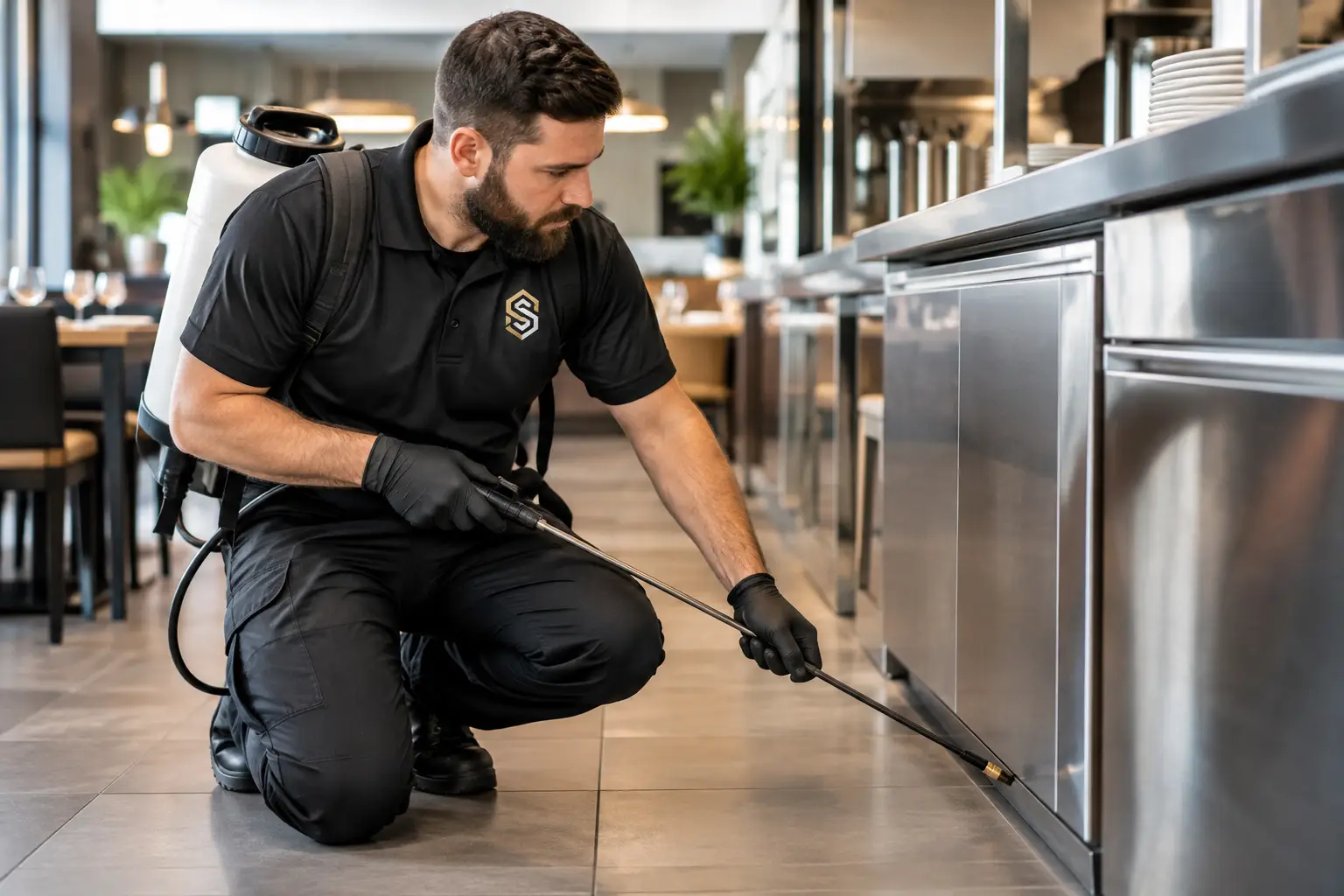
For businesses, bird activity can affect more than the roof cavity. Birds around loading docks, signage, awnings, bin areas and outdoor dining spaces can create ongoing cleaning demands and operational distractions. The practical solution is to identify the roosting or nesting point and use site-appropriate exclusion rather than repeatedly cleaning up the result.
Syndicate Pest Solutions can inspect the issue, identify the entry route, organise targeted bird-proofing and provide clear post-service reporting. We have got this covered, from the first inspection through to follow-up checks where needed.
Keep an eye on the roof after exclusion
After repairs or bird-proofing, watch the roofline for a week or two. Some birds will investigate their old entry point several times before moving on. Check for fresh droppings, nesting material or repeated flight paths around nearby vents and eaves.
A seasonal roof check is a sensible habit, especially after heavy weather. Small defects are easier to deal with before they become a nesting route, water-entry point or larger roof repair.
The goal is simple: give birds somewhere else to be and keep your roof space for what it is meant to do - protect the building, not house uninvited tenants.