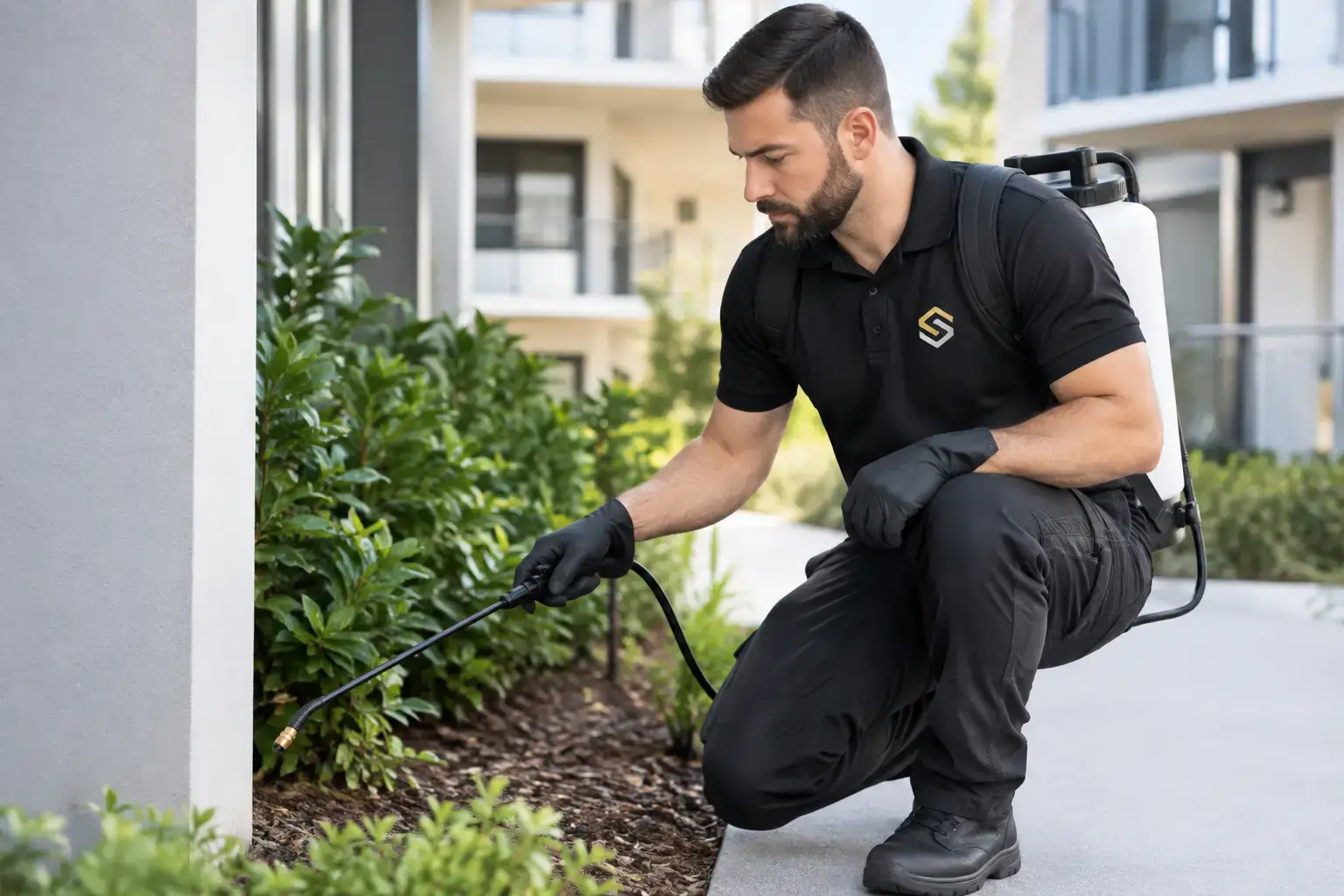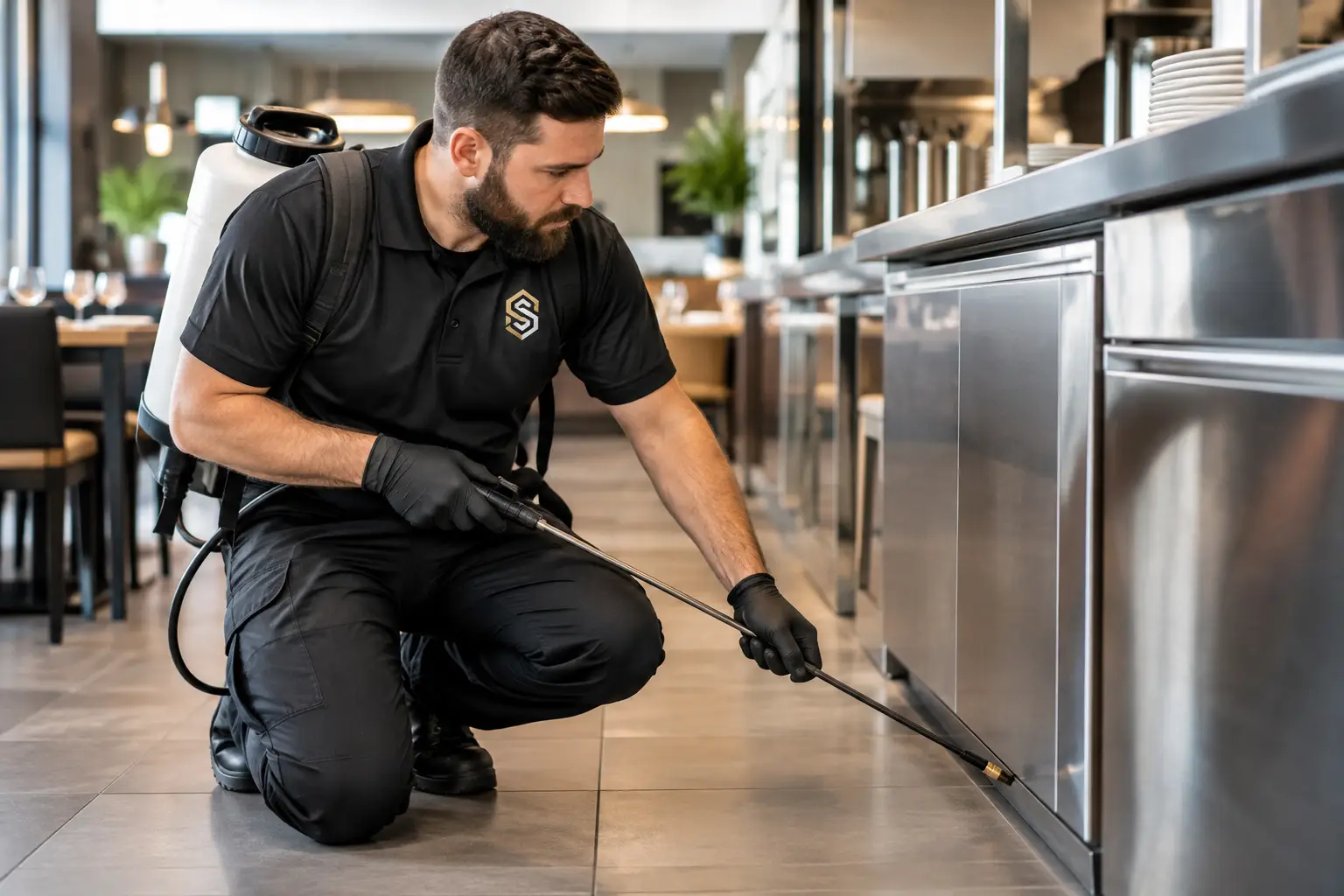
A cockroach sighting near the pass, rodent droppings in a dry store or birds gathering around a loading dock can turn a normal service into a serious operational problem fast. Pest control for restaurants is not about turning up with a spray after a complaint. It is about finding how pests are getting in, what is supporting them, and stopping the pattern before it disrupts trade.
For Queensland venues, warm weather, heavy rain, outdoor dining and frequent deliveries create steady pressure. Pests do not care whether you run a busy café, pub kitchen, takeaway shop, resort restaurant or multi-site hospitality group. If there is food, water, warmth and a quiet access point, they will investigate.
Why restaurant pest problems move quickly
Restaurants give pests several things they need in one place: food residue, bins, floor drains, stock deliveries, storage areas and regular openings to the outside. The issue is rarely one missed cleaning task. More often, it is a combination of small conditions that build over time.
A delivery door left open during a busy morning can give rodents or flying insects a route inside. Cardboard brought in with stock may carry cockroaches into a storeroom. A leaking tap beneath a sink can support activity long after the kitchen has been cleaned down. Outside, overflowing bins, dense landscaping or poorly managed grease areas can draw pests closer to the building.
The trade-off is clear. A quick reactive treatment may deal with what is visible that day, but it may not address the access point, harbourage or food source behind it. A planned program takes longer to set up, yet it gives restaurant managers a clearer picture of risk and a practical record of what has been done.
Pest control for restaurants starts with inspection
No two venues operate the same way. A small espresso bar has different pressure points to a large venue with a commercial kitchen, cool rooms, function spaces and a rear loading dock. That is why a proper inspection should come before a treatment plan.
The inspection looks beyond the obvious. A technician should check food preparation zones, dry stores, under-bench voids, wash-up areas, plant rooms, ceiling spaces, external walls, bin areas, drains and delivery access. Evidence matters: droppings, rub marks, damaged packaging, insect activity, nesting material, moisture and gaps around services all help identify the real issue.
This is also when the venue’s operating routine needs to be understood. What time do deliveries arrive? When are bins collected? Are doors regularly propped open for ventilation or stock movement? Which areas are cleaned by staff, and which are managed by a landlord or centre management? Good pest management works with the way a restaurant trades, rather than creating unnecessary disruption.
Common pests and what their presence can mean
Cockroaches are often linked to warmth, moisture, food debris and tight harbourage around equipment, plumbing and storage. Seeing one during the day can suggest activity is greater than what is visible, though the species and location matter.
Rodents can enter through surprisingly small gaps. Droppings, gnaw marks, greasy rub marks along walls and damaged food packaging are signs that need attention. They can move between ceiling spaces, storerooms, adjoining tenancies and outdoor areas, so treating one room without checking the surrounding routes is rarely enough.
Flies can point to bin management, drain conditions, food waste or open access points. Ants may be attracted to sweet spills, moisture or gaps around walls and paving. Birds around alfresco areas, roofs and loading zones can create mess, noise and contamination concerns, particularly where they roost above food, tables or delivery areas.
Build a program around prevention, not panic
A restaurant pest-management program should have clear service intervals, targeted monitoring, documented findings and follow-up actions. The right frequency depends on the venue, its layout, surrounding environment, trading volume and pest history. A high-turnover kitchen beside other food businesses may need closer attention than a low-volume venue with limited food preparation.
The strongest results come from shared responsibility. Your pest technician deals with pest activity and exclusion measures, while the venue controls the everyday conditions that attract pests. Neither side should be left guessing.
Four practical controls make a meaningful difference:
- Keep dry goods off the floor and away from walls where possible, so staff can inspect behind and beneath stock.
- Break down cardboard promptly and avoid letting incoming boxes sit in food storage areas.
- Keep bin lids closed, clean spills around waste areas and arrange rubbish storage so it does not create a sheltered feeding zone.
- Report leaks, damaged door seals, drain issues and gaps around pipes early, before they become a pest pathway.
These are not glamorous jobs, but they are often the difference between an occasional issue and recurring activity. A written site report helps assign actions to the right person, whether that is the kitchen manager, maintenance contractor, property manager or landlord.
Keep treatment discreet and operationally practical
Restaurants cannot simply stop trading whenever pest activity appears. Service needs to be planned around preparation times, customer areas, staff movement and cleaning schedules. For many venues, this means work is completed before opening, after close or in quieter periods, with clear instructions provided for any preparation required on site.
Discretion matters too. Pest problems are operational matters, not something your customers need to see played out on the floor. A professional service should be organised, punctual and focused on the affected areas without adding chaos to an already busy shift.
Staff need straightforward direction, not a folder full of jargon. They should know what was found, what has been treated or monitored, what housekeeping changes are needed and when the next check is due. If an issue needs urgent escalation, the manager should be told plainly.
Documentation is part of the job
For hospitality operators, clean paperwork is not an optional extra. Inspection records, site findings, actions completed, monitoring details and follow-up recommendations give managers evidence that the issue has been addressed in an organised way.
This is especially useful for venues answering questions from landlords, centre management, auditors, franchise teams or internal food-safety processes. It also prevents the familiar problem of every shift assuming somebody else handled it. When a report identifies a gap beneath a rear door or a leaking pipe in a store room, there is a clear action to track.
Multi-site businesses benefit from consistency. A coordinated program makes it easier to compare recurring issues, identify problem locations and maintain service records across different venues. It also reduces the risk of one site quietly carrying a problem until it becomes disruptive.
When a restaurant needs urgent attention
Some signs should not wait for the next scheduled visit. Active rodent sightings, cockroaches in food preparation or customer areas, damaged food packaging, unusual insect activity around drains, or birds entering food-handling zones all need prompt assessment.
Do not rely on staff to identify the pest perfectly before reporting it. A clear photo, the location, the time it was seen and any relevant details are usually enough to start. If product has been affected or a food-preparation area is involved, follow your venue’s food-handling procedures straight away and isolate the issue for review.
Avoid moving evidence around or blocking access with stored stock before an inspection if you can. The pattern of activity often tells the story. Droppings along a wall, insects around a particular appliance or damage close to a service penetration can help pinpoint the source.
A simple four-step approach
Good restaurant pest management follows a practical rhythm: describe the issue, inspect the site, treat the identified risk and follow up. Each step matters.
Describe what staff have seen and where it happened. Inspect the wider area rather than only the visible symptom. Treat the activity and the conditions supporting it. Then follow up to check progress, review outstanding maintenance actions and adjust the plan if the site conditions have changed.
That last step is where many spray-and-go services fall short. Restaurants change constantly. Menus change, equipment moves, delivery routines shift and neighbouring tenancies turn over. Pest pressure changes with them.
A clean kitchen and a well-run venue deserve pest control that is just as organised. With source-focused inspection, practical exclusion, scheduled monitoring and clear reporting, pests become a managed business risk rather than a problem waiting to interrupt service. Syndicate Pest Solutions takes that pressure off your team, so your focus can stay where it belongs: running a great venue.