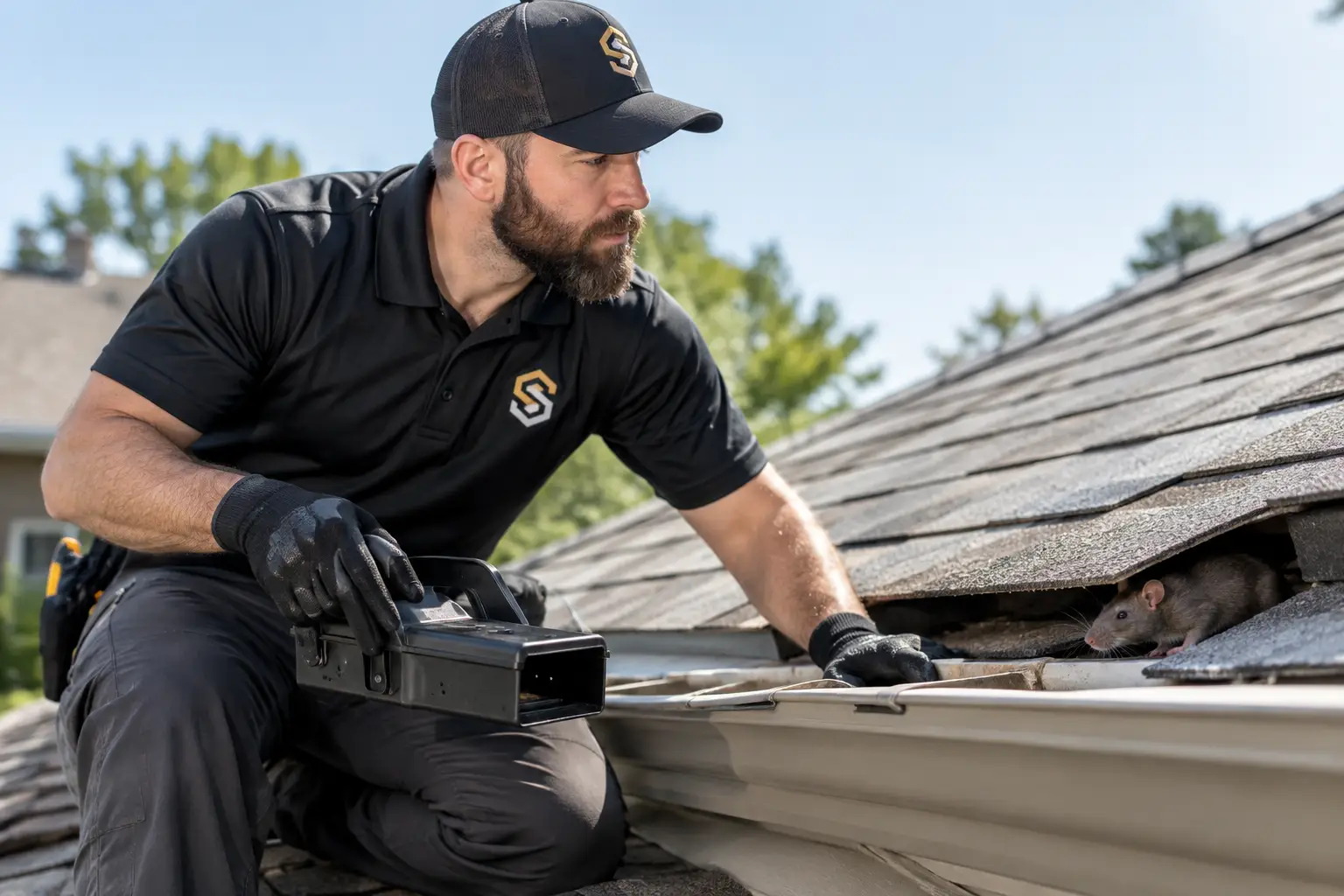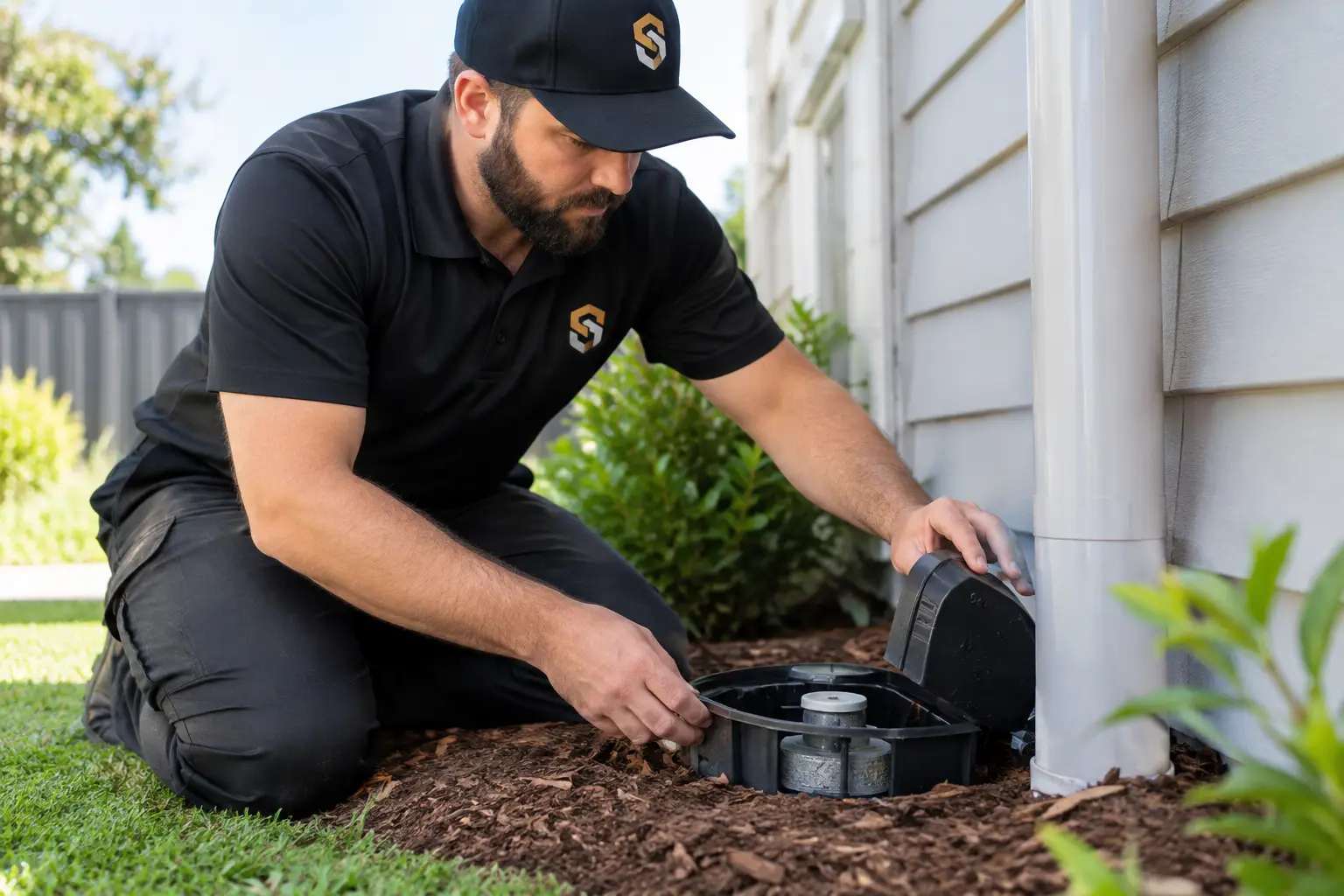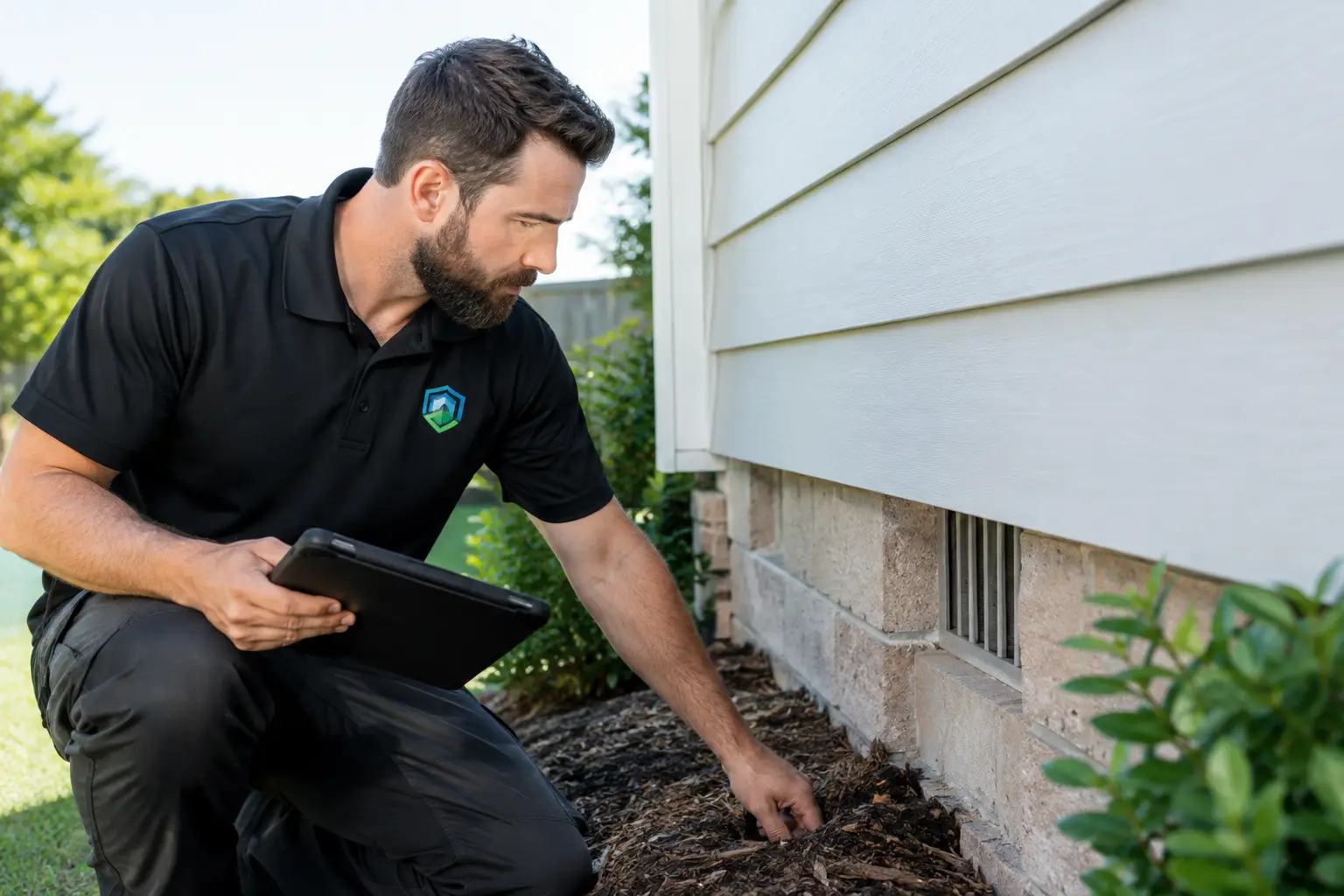
A house can look spotless at an open home and still have termite activity tucked behind a wall, beneath a bathroom vanity or inside a timber frame. That is why the cost of a pre-purchase termite inspection should be part of your buying budget from the start, not an afterthought once contracts are signed. In Queensland, termites are a genuine property risk. A proper inspection gives you facts before you take on a problem that is not yours to live with.
What does a pre-purchase termite inspection cost?
For a standard residential property in South East Queensland, a pre-purchase termite inspection commonly costs around $250 to $500. The final figure depends on the property, how accessible it is and the level of reporting required.
A compact unit with accessible areas may sit at the lower end. A large home, acreage property, older Queenslander or house with a complicated subfloor, multiple roof spaces and outbuildings will usually cost more. That is not a provider making things difficult. More areas to inspect properly means more time on site and a more detailed assessment.
The cheap option is not always the economical one. An inspection that skips the roof void, cannot access the subfloor or supplies a vague one-page note can leave major blind spots. Saving $100 before settlement is not much of a win if concealed termite damage becomes your responsibility a week later.
What changes the inspection price?
Every property has a different risk profile. A clear, fixed quote should account for the practical conditions before the technician arrives, rather than adding surprises afterward.
The main price factors are property size, construction type, access and extra structures. A two-bedroom brick unit is generally faster to assess than a high-set timber home with a tight subfloor. Homes on sloping blocks, houses with extensions and properties with retaining walls can also take longer because termites use concealed paths to reach timber.
Outbuildings matter too. Sheds, garages, granny flats, decks, fences and timber landscaping can all provide clues about termite activity around the property. If you want these included, make sure they are named in the booking. Do not assume an inspection of the main dwelling automatically covers every structure on the block.
Access makes a real difference. Stored belongings under the house, insulation in roof voids, locked rooms, low-clearance areas and dense garden beds can limit what can be checked. A professional report should state any inaccessible areas clearly. It is better to know what could not be seen than receive a false sense of security.
Inspection versus building and pest reports
A termite inspection focuses on termite evidence, conditions that make an attack more likely and visible timber damage associated with termites. A combined building and pest inspection adds a broader look at building defects and other pests.
Either may suit a purchase, depending on the contract, lender requirements and the age and condition of the property. If your priority is a thorough termite risk assessment, ask exactly what the pest component includes. The word “pest” does not guarantee the same scope from every provider.
What should a proper termite inspection include?
A worthwhile pre-purchase inspection is systematic. The technician should inspect accessible internal, external, roof void and subfloor areas, using specialist tools such as moisture meters and sounding equipment where appropriate. They should be looking for active termites, termite workings, damage, previous treatment evidence and the conditions that attract termites in the first place.
That can include excessive moisture, leaking plumbing, poor drainage, timber in contact with soil, concealed entry points and vegetation or garden materials bridging the building perimeter. Termites need moisture and protected access. The report should explain where those opportunities exist at the specific property, not just paste in a generic warning.
You should receive a written report that records the findings, limitations, photos where relevant and clear recommendations. If activity or suspected damage is found, you need to know what requires urgent investigation, what can be negotiated before settlement and what should be monitored after you move in.
A report is not a warranty that a property has never had termites or never will. No visual inspection can see through every wall, floor or fixed fitting. What it does provide is an informed assessment of accessible areas on the day, completed by someone who knows where termites hide and what their presence looks like.
Why Queensland buyers should not skip it
Queensland’s warm climate creates favourable conditions for several termite species. They do not need a neglected home to cause trouble. Even well-kept properties can have hidden moisture, untreated timber features or landscaping that creates a pathway into the structure.
Termites often work out of sight. They can enter through gaps as small as a couple of millimetres and travel through concealed areas without leaving obvious signs in the living room. By the time paint bubbles, flooring softens or a door frame sounds hollow, damage may already be significant.
This is where the pre-purchase termite inspection cost earns its place in the buying process. It is a relatively small, defined cost that can help you avoid buying blind, seek specialist advice, renegotiate the price or walk away if the risk does not stack up.
Book early enough to act on the findings
Do not leave the inspection until the final days of a finance or building-and-pest clause. Book as soon as your contract allows, particularly during busy property periods. You need time to read the report, ask questions and arrange further investigation if the inspector identifies suspected damage or inaccessible areas.
If termites are found, stay calm and get clear information. Active termites do not automatically mean the property is a bad purchase. The key questions are where the activity is, how extensive any damage may be, whether a treatment system is in place and what repairs or further checks are needed.
A seller may agree to treatment, repairs or a price adjustment, but the right outcome depends on the evidence and contract advice. Do not rely on a verbal assurance that termites were “dealt with years ago”. Ask for treatment records, warranty documents and service history, then have the current condition assessed independently.
How to compare quotes without cutting corners
When comparing inspection prices, check the scope before choosing the lowest number. Ask whether the quoted amount includes the roof void, subfloor, garages, decks and outbuildings. Confirm whether a detailed written report is included and whether the technician is licensed and insured for termite work in Queensland.
It is also worth asking how limitations are handled. A reputable operator will explain if furniture, stored goods, low clearance or locked areas prevent inspection. They will not quietly omit those sections and call the job complete.
At Syndicate Pest Solutions, the approach is straightforward: describe the property, inspect it properly, explain the findings and provide written documentation you can use in your purchase decision. Fixed upfront pricing means you know the cost before the work begins. Your problems, our solutions.
After settlement, keep the risk managed
A pre-purchase inspection is a snapshot, not a permanent shield. If you buy the property, arrange ongoing termite inspections at intervals suited to its construction, location and termite management system. Annual inspections are common, though higher-risk properties or monitored systems may need more frequent checks.
Keep garden mulch, stored timber and soil away from the building edge. Fix leaks promptly, maintain drainage and avoid covering termite inspection zones with paving, storage or landscaping. Small maintenance decisions can make future inspections more effective and reduce hidden entry points.
The right inspection is not about creating panic before settlement. It is about replacing guesswork with a clear report, a realistic view of risk and enough time to make a sound call on the property you are about to own.